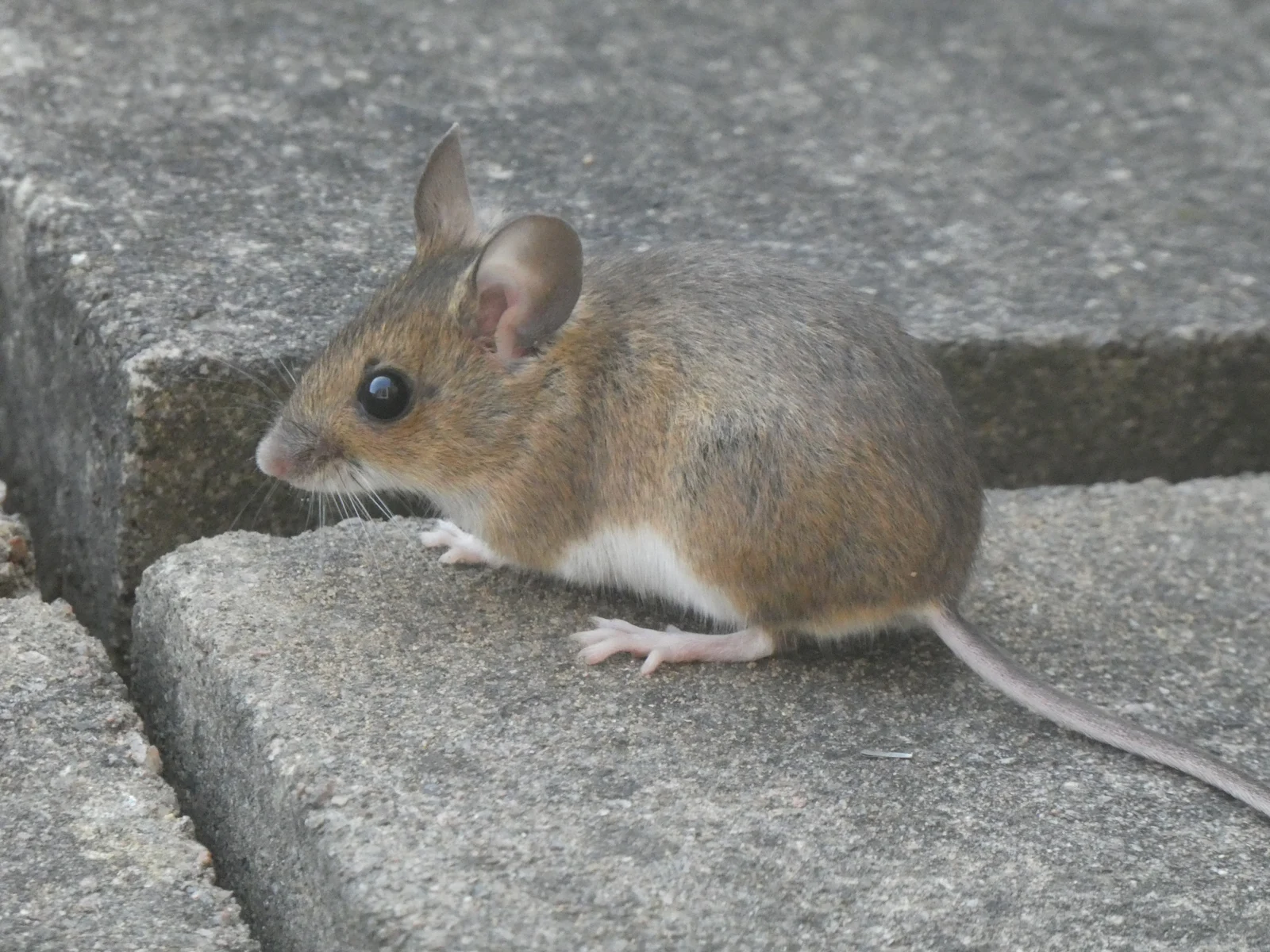
Why Mice: The Perfect Starting Point
Mouse taxidermy is where you learn the fundamentals without dropping $500 on your first attempt. These tiny mammals teach you incision technique, fleshing, tanning, eye placement, and finishing, all the principles you'll need for bigger animals. And if you mess up, you're out $50 in materials, not $500. That's why professional taxidermists recommend starting here before you try a pheasant or a deer.
The math is simple: small scale = high precision required = excellent skill development. You can't cheat on eye placement with a two-inch head. You learn to work cleanly and carefully, and those habits transfer directly to larger animals.
Why People Actually Mount Mice
It's not just beginners. Here's the range:
- Learning the craft: Affordable entry point with low financial risk and fast turnaround (2-3 weeks total)
- Educational specimens: Schools and museums use mouse mounts for teaching anatomy and natural history
- Scientific documentation: Natural history researchers create reference specimens documenting geographic variation and species characteristics
- Artistic expression: Contemporary artists explore themes of fragility, mortality, and beauty through carefully mounted mice
- Pet memorial: Mouse owners preserve beloved pets, mice are intelligent, personable animals that deserve commemoration
- Costumed/anthropomorphic mice: The Victorian taxidermy tradition of dressing animals in human clothing continues in contemporary art. Weddings, funerals, professions, gothic scenes, taxidermists position costumed mice to tell stories.
Mouse Anatomy: The Basics You Actually Need to Know
Mice are surprisingly complex anatomically. That two-inch body contains real skull structure, a sophisticated jaw, proportionally giant eyes and ears, and a tail with actual bone. Understanding these elements helps you understand why eye placement matters so much.
Key anatomical points:
- Skull and jaw: Proportionally large eyes and ears relative to body size; sharp incisors that are part of the skull structure
- Eye placement: Lateral positioning, eyes on the sides of the head, not facing forward. This is a prey animal adaptation. Get the eye angle wrong and the whole thing looks broken.
- Ears: Large, thin, membranous, and easy to damage. Handle them carefully. They need to be positioned naturally, not folded or collapsed.
- Tail: Scaled, not furred. It's a real skeletal structure with bone underneath. Curling it into unnatural shapes destroys the mount.
- Paws: Five-toed front feet with tiny nails. Rarely visible in a finished mount, but correct posture depends on understanding how the paws actually position.
You don't need to be a biologist, but understanding that this is a real animal with real anatomy helps you see what you're doing wrong when something looks off. Reference photos of living mice help, you can see how eyes actually sit, how ears fold, how the tail naturally curves.
The Mouse Taxidermy Process
Step 1: Specimen preparation: Obtain a fresh or properly frozen specimen. Mice obtained from pet stores, breeders, or natural causes work equally well. Proper thawing of frozen specimens is critical, allow slow thawing in cool conditions without temperature fluctuations.
Step 2: Incision and skinning: Make a careful incision along the belly from chin to tail base. Separate the skin from underlying tissue using small, sharp tools and forceps. This delicate work requires patience and steady hands. Incomplete skinning invites decomposition.
Step 3: Fleshing: Remove all tissue from inside the skin. This meticulous work uses specialized small tools to scrape tissue cleanly without damaging the hide. Complete fleshing is essential, any remaining tissue decomposes and ruins the project.
Step 4: Tanning: Treat the hide with tanning solution according to manufacturer instructions. Most beginner kits use acid-tanned process requiring 5-7 days drying time. Follow timing carefully, under-tanned hides smell bad and deteriorate; over-tanning makes hides brittle.
Step 5: Form selection and fitting: Choose appropriately sized mouse form matching your specimen. Position the tanned hide on the form and secure with stitching or specialized adhesive.
Step 6: Assembly and finishing: Install glass eyes (typically 4-6mm diameter), position ears, and shape the nose. Stitch seams carefully to hide the incision line. Allow complete drying before handling.
Required Materials and Tools
Mouse-scale work demands small, precise tools. Standard taxidermy tools designed for deer are too large for proper mouse work.
Essential materials:
- Mouse forms: Purpose-designed foam forms, available from taxidermy suppliers ($10-$20 each)
- Glass eyes: Small rodent eyes typically 4-6mm diameter ($2-$5 per pair)
- Tanning solution: Acid tanning compounds safe for small mammal hide ($8-$15 per kit)
- Foam-safe adhesive: Formulated not to degrade foam forms ($10-$18)
- Fine-tipped tools: Small knives, forceps, eye-setting instruments ($20-$50 initial investment)
- Fine thread and needles: For precise seaming ($3-$8)
- Display base: Simple wooden plaque or minimal stand ($5-$20)
The Cost Breakdown: DIY vs. Professional
DIY Mouse Mounting (Total per project):
- Mouse form: $15-$25
- Eyes (pair): $3-$5
- Tanning supplies: $10-$15
- Adhesives and finishing: $8-$12
- Display base: $10-$20
- Total: $46-$77
Professional mouse mounting: $200-$500 depending on taxidermist expertise, display complexity, and geographic location. Even professional work costs a fraction of larger animal mounting.
The low cost makes mouse taxidermy ideal for experimentation. Try different poses. Try different display bases. Try costumed versions. You can iterate without major financial risk. For more details, see our rat taxidermy guide.
Ethical Sourcing Considerations
Sourcing specimens ethically is important. Appropriate mouse sources include:
- Pet store mice: Purchased mice that have naturally died or were culled by breeders
- Breeding facility specimens: Mice surplus to breeding requirements
- Naturally deceased specimens: Wild mice found already dead from disease, predation, or other causes
- Educational sources: Museum specimens, research institutions, or educational suppliers
Intentionally killing mice specifically for taxidermy projects is ethically questionable. Responsible practitioners source specimens from existing deaths or institutions where mice are already being culled for other purposes.
Common Beginner Mistakes to Avoid
Learning from others' errors accelerates skill development. Frequent beginner mistakes include:
Incomplete fleshing: Leaving tissue inside the hide leads to decomposition, smell, and insect damage. Take time to completely clean all tissue.
Inadequate tanning: Improper tanning results in fragile, smelly specimens. Follow instructions precisely regarding timing and chemical concentration.
Poor form selection: Using oversized forms makes mounting problematic. Ensure forms match specimen size and anatomy closely.
Sloppy eye placement: Uneven or misaligned eyes immediately appear wrong. Take time positioning eyes carefully and symmetrically.
Visible seams: Poor stitching shows obvious seam lines. Plan incision placement to hide seams, stitch carefully, and potentially position the mount to obscure seams.
Display Options: From Simple to Artistic
- Wall plaques: Traditional mounted display on wooden bases (minimal, clean look)
- Glass domes: Museum-style presentation protecting the specimen while allowing viewing. Etsy sellers offer these for $30-$80.
- Shadow boxes: Multiple specimens arranged in framed displays, you can create a whole narrative
- Miniature dioramas: Create naturalistic scenes with moss, rocks, tiny plants, branches
- Costumed anthropomorphic scenes: Dress the mouse in Victorian clothing, pose it in a human situation. This is a centuries-old taxidermy tradition and it's experiencing a genuine renaissance. Wedding scenes, funeral processions, mice dressed as soldiers or scholars.
- Collections and arrangements: Display multiple mice in a curated collection showing variation
The Costumed Mouse Subgenre: Victorian Taxidermy Gets Weird
There's a real tradition here, going back to the 1800s, of dressing small animals in human clothing and posing them in human situations. It's whimsical, slightly macabre, and absolutely in the taxidermy tradition. Contemporary artists and Etsy sellers have revived this: you see costumed mice in weddings (bride and groom couples), funerals (mourning scenes), professions (mice dressed as taxidermists, dentists, astronauts), and gothic displays (mice as skeletons, vampires, witches).
If you want to learn this subgenre, look at Etsy for examples. Search "costumed mice taxidermy" or "Victorian mice" and you'll see what contemporary artists are doing. Some are brilliant. Some are darkly funny. All of them demonstrate that mouse taxidermy is a legitimate artistic medium, not just a beginner exercise. For more details, see our what is taxidermy.
Paxton Gate, the natural history store in San Francisco, offers classes in mouse and small mammal taxidermy, including costumed options. Check their website for current class schedules and costs.
From Mice to Bigger Animals
Mouse mounting teaches you the fundamentals: careful incision, complete fleshing, proper tanning, eye placement, stitching. Every technique you learn applies directly to rats, birds, small mammals, and eventually larger animals. The principles don't change, you're just working at a bigger scale, as our mammal taxidermy guide lays out step by step.
Once you're comfortable mounting mice, you naturally progress to rats, then game birds like pheasants, then larger mammals. The confidence you build through mouse projects carries over. You've proven to yourself that you can do this work.
Where to Learn
Beginner kits: McKenzie and Artworks Studios sell mouse mount kits ($50-$100) that include forms, eyes, and basic instructions. These are solid starting points.
Online tutorials: Search YouTube for "mouse taxidermy" and you'll find step-by-step videos walking through the entire process.
Books: "The Art of Taxidermy" and other instructional guides cover small mammal mounting in detail. Most taxidermy references include a small mammal section.
Classes: Paxton Gate in San Francisco offers in-person classes. World Oddities Expo has featured taxidermy workshops. Check taxidermy schools in your region, many offer weekend workshops.
Online communities: Facebook groups and Reddit's r/Taxidermy are active and helpful. Post photos of your work and get real feedback.
Last updated: March 25, 2026
Know the law before you possess a specimen.
"Roadkill, donations, and found specimens" sounds like a free supply chain. In the United States, a chunk of it is federally illegal without a permit.
- Migratory Bird Treaty Act (MBTA): most native songbirds, raptors, and waterfowl (and their feathers, nests, and eggs) are federally protected. Possession without a permit is a crime, including a dead bird you found on the roadside.
- CITES and endangered species: big cats, sea turtles, many parrots, elephant ivory, and some bear species are restricted for international and often domestic movement. Your taxidermist needs specific permits to accept these.
- State wildlife regulations: vary dramatically. Some states require a salvage tag for roadkill; some require hunter-education; some ban possession of certain game outside hunting seasons. Check your state's Department of Natural Resources before collecting or delivering anything.
- Commercial practice: mounting or selling taxidermy work for compensation typically requires a state taxidermy license, and federal permits if you work with protected species.
When in doubt, ask a local taxidermist or your state wildlife agency before the specimen is in your freezer.
Frequently Asked Questions
Can you actually mount a mouse?
Absolutely. Small rodent mounts require specialized techniques and extreme attention to detail. Eye work and whisker positioning make the difference between adorable and anatomically accurate.
What does a mouse mount cost?
Small rodent mounts typically run $300–$800 depending on pose and the taxidermist's experience with miniature work. This is specialty work, most general taxidermists don't handle rodent mounts regularly.
What poses work best for small creatures?
Alert sitting poses, climbing positions, and resting poses are most effective for small mammals. Avoid complex action poses that strain the tiny anatomical structures.