Why Fox Mounts Demand Specialty Expertise
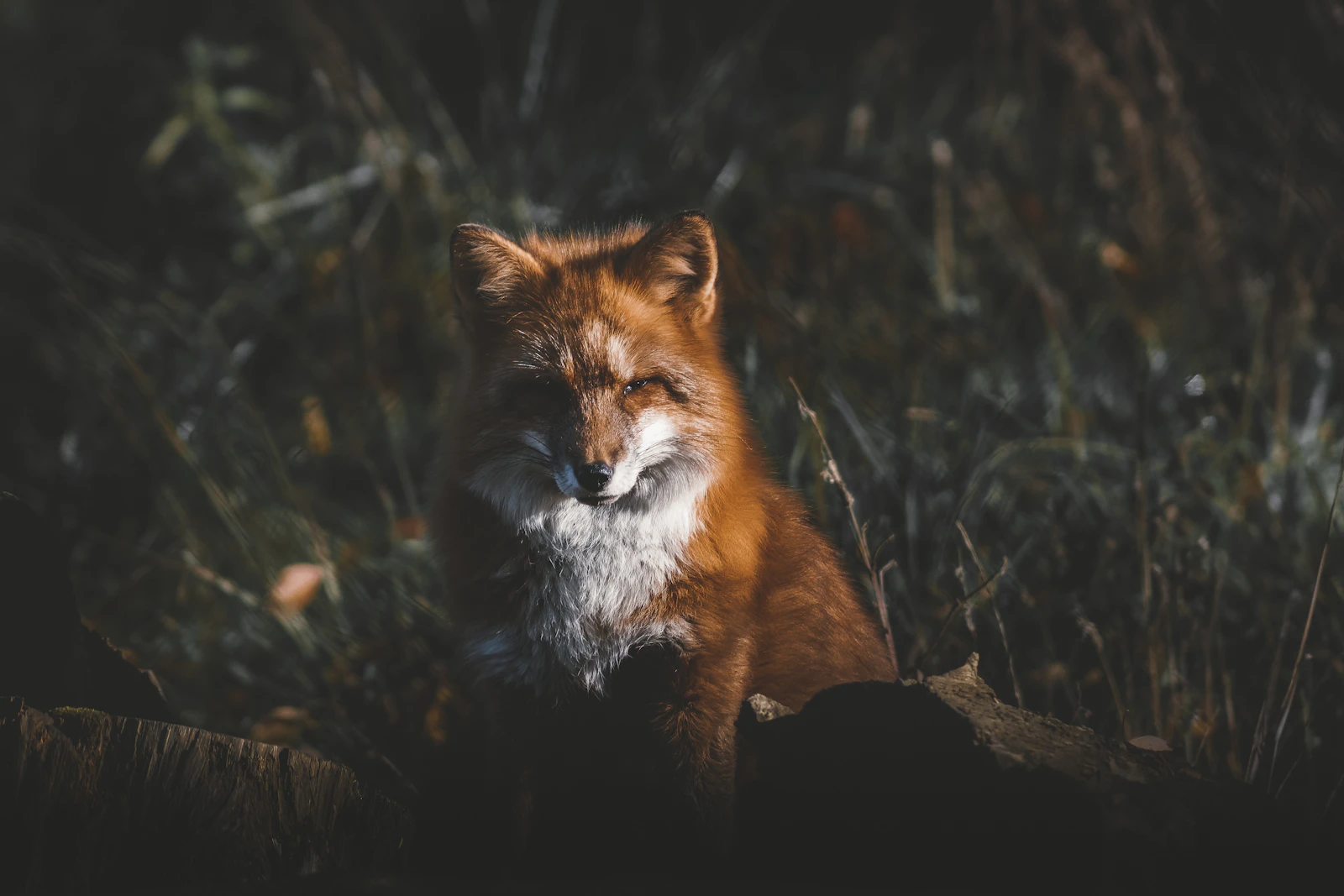
You've harvested a red fox, and it's beautiful, iridescent guard hairs catching light, alert expression frozen at the moment of the shot. Now comes the part that separates a trophy from a regret: finding a taxidermist who understands fox anatomy well enough not to wreck it. Fox hides are delicate. Hair slips in patches if the hide dries too fast or sits in warm conditions. The ears are paper-thin and easy to damage during skinning. Get the eye position wrong, even slightly, and the whole mount screams "amateur." A quality fox mount captures that focused intelligence and alertness. A bad one looks like taxidermy you'd hide in the garage.
This is why fox mounting is specialty work, and why not every taxidermist should take the job. A wildlife generalist who does amazing deer mounts might have zero fox experience. That's the distinction worth understanding upfront.
Fox Species Variations and Characteristics
Red Fox (Most Common)
Characteristics: Russet-red coat with black ears, white underside. Guard hairs create that lustrous sheen. Tail is bushy with white tip (most recognizable feature). Average weight: 8–15 lbs for females, 10–16 lbs for males.
Why it matters for taxidermy: Red foxes are the most frequently mounted species, so most taxidermists have red fox experience. Finding someone is easier. The coat is durable and photographs well.
Typical mount cost: $650–$1,200 for shoulder mount (national average: $850). Full-body: $1,500–$2,800.
Gray Fox (Eastern Species)
Characteristics: Salt-and-pepper gray coat with russet sides and black stripe down the spine. Smaller than red foxes (average 7–13 lbs). Has a distinctive black mane along the spine.
Why it matters for taxidermy: Finer, shorter coat than red foxes. Fur is more delicate and prone to slippage. Fewer taxidermists have specific gray fox experience. You'll want someone who's done multiple gray fox mounts.
Typical mount cost: Similar to red fox, $650–$1,200 shoulder mount, but expect slightly higher labor due to coat delicacy.
Silver Fox (Color Variant)
Characteristics: Rare color variant of red fox with glossy black/silver coat (not a separate species, just different genetics). Extremely striking visually. Guard hairs have silvery appearance.
Why it matters for taxidermy: Stunning display potential. The dark coloration shows detail and character well. Premium pricing justified by rarity and visual impact.
Typical mount cost: $800–$1,300 for shoulder mount due to specialty and rarity premium.
Arctic Fox (Specialty)
Characteristics: Found in Arctic regions. Smaller (3–9 lbs), with dense white or blue-gray coat. Extremely plush fur and delicate features.
Why it matters for taxidermy: Specialty work. Requires taxidermist with arctic predator experience. Coat is extremely fine and slip-prone. Very few taxidermists have expertise here.
Typical mount cost: $1,000–$1,500+ for shoulder mount (higher due to specialty expertise required).
Mount Types and Pricing
Shoulder Mount (Most Popular)
What you're looking at: Head, neck, and front shoulder portion mounted on a display base. The animal appears alert, ears forward, as if turning to look directly at you.
Cost range: $650–$1,200 (national average: $850)
Why the price variation: Experience level is the primary driver. A seasoned fox specialist with 15+ years of predator work might charge $1,050+. A generalist doing their first fox might undercut at $650, but the finished quality reflects it. Geographic location matters too, coastal and metro areas run higher.
Timeframe: 10–14 weeks typical
Best for: Hunters wanting a striking presence piece without the floor space required for a full mount. Works in smaller rooms, on shelves, above fireplaces.
What to look for: Ask to see 5+ completed fox shoulder mounts in the taxidermist's portfolio. Bad eye placement is the telltale sign of inexperience, eyes that look too far apart, too deep-set, or not forward-facing enough.
Full-Body Mount
What you're looking at: Entire fox in a lifelike pose, standing alert, mid-stride, or in a natural resting position. Tail is part of the composition.
Cost range: $1,500–$2,800 (national average: $1,900)
Why it costs more: 60–80+ hours of labor. Complex body form fitting. Pose selection (alert standing pose is harder than reclining). Base craftsmanship adds significant cost. Multiple anatomical challenges across legs, tail positioning, and overall balance.
Timeframe: 14–18 weeks
Best for: Serious hunters, trophy room centerpieces, museum-quality displays, collectors wanting a definitive piece.
Challenge: Fur slippage on legs and underside is common if the hide wasn't prepped correctly or if the specimen condition was poor at time of harvest. This is where a full-body mount's complexity shows, choose a taxidermist with extensive full-body predator experience.
Pedestal Mount
What you're looking at: Head and neck on a decorative pedestal or custom base. Compact and refined, like a shoulder mount but even smaller footprint.
Cost range: $750–$1,400 (national average: $950)
Timeframe: 12–16 weeks
Best for: Wall mounting, smaller display areas, secondary pieces in a larger collection, limited shelf or table space.
Advantage over shoulder: Takes minimal wall or shelf space. If your base is high-quality (carved wood, stone, or custom design), the overall presentation can be more refined than a larger shoulder mount.
Half-Body/Haunched Mount
What you're looking at: Head, neck, front shoulders, and front legs. Animal appears to be lying down, reclining, or moving low through brush, a dramatic, naturalistic pose.
Cost range: $1,400–$1,900
Timeframe: 12–16 weeks
Rarity: Less common than shoulder or full-body. Fewer taxidermists are comfortable with the anatomical challenges and pose work required.
Best for: Dramatic, naturalistic displays in homes or lodges. If executed well, creates stunning visual impact that draws viewers in.
Finding a Fox Specialist: Red Flags and Green Lights
Red Flags (Walk Away)
-
"I'll use a generic canine form." Fox forms are anatomically different from dog forms, ears are proportionally much larger, snout is narrower and more tapered, eye placement is slightly forward. Using a form mismatch means permanent anatomical inaccuracy that no amount of finish work fixes.
-
"I don't have fox-specific work in my portfolio. But I do amazing deer." Canine and cervid taxidermy are completely different skill sets. Fur prep, eye positioning, form fitting, all different. Hair direction in canines follows different patterns than deer. Don't volunteer to be their learning project.
-
"I can have it done in 6 weeks." Professional fox work takes 10–14 weeks minimum for shoulder mounts. Rushing creates shrinkage, fur slip, and poor form fitting. Anyone promising faster is either overbooked (your project will get minimal attention) or cutting corners.
-
Doesn't ask about specimen condition. A professional's first question should be: "How fresh is the carcass? When did you harvest it? How quickly was it frozen? Any damage from the shot, or prior damage from predation?" Asking these questions shows they understand fur slip risk and specimen variables.
-
No professional affiliations. No membership in National Taxidermists Association, state guilds, or professional organizations. These require continuing education and standards compliance.
Green Lights (Good Sign)
-
Portfolio with multiple fox mounts. Specifically shoulder mounts AND full-body mounts. Ask to see 5+ completed pieces from the past two years. Quality consistent across pieces.
-
Membership in professional organizations. National Taxidermists Association (NTA), state-level guilds, regional associations. These require continuing education and hold members to standards.
-
Charges market-appropriate prices. If significantly below the $800+ range for a shoulder mount, they're either undercutting quality or are inexperienced. Market-rate pricing suggests confidence in their work.
-
Requests detailed specimen prep information. They ask: "How quickly was it frozen? Any damage? Has it been stored in a garage? Was the original hide in good condition?" This shows they understand variables affecting outcome.
-
Offers multiple base options and pose flexibility. Quality taxidermists give you choices, wood finishes (walnut, cherry, oak), rock pedestals, custom builds. They discuss pose options (alert vs. calm, head position, ear angle). One-size-fits-all = lazy thinking.
-
Provides a realistic timeline and process explanation. They walk you through the stages (assessment → skinning → form fitting → eye setting → detail work → finishing). They explain what can go wrong and how they mitigate it.
Field Preparation: Getting Your Fox Right
Immediate Post-Harvest (First 24 Hours)
The goal: Stop fur slip. Fur slip, hair falling out in clumps, is the enemy. It happens when the hide dries too fast, gets too warm, or sits in poor conditions. Damage now is permanent damage to the finished mount.
What to do:
- Cool it immediately. If you shot the fox in warm weather, don't let it sit in direct sun. Get it into a cooler or freezer ASAP. Temperature above 60°F for more than a few hours increases fur slip risk.
- Don't gut it unless you're certain of your field dressing skills. Puncturing the hide, leaving blood on fur, or creating internal leakage creates problems for the taxidermist.
- Avoid dragging it through brush or rough terrain. Protects guard hairs and outer coat integrity.
- If blood is present, gently rinse with cool water. Air-dry naturally. Don't use a hair dryer or heat source, heat accelerates hair loss.
Within 48 Hours: Freezing
Freeze the whole specimen. Wrap it loosely in plastic wrap or a plastic bag to avoid freezer burn on the face and exposed areas. Toss it in the freezer. A properly frozen fox will keep for 6–12 months without degradation.
Don't attempt home preservation: Don't try to "preserve" it with salt, borax, or other home methods. Taxidermists want the raw specimen, not a DIY prep job. Home preservation often creates more problems than it solves.
When Shipping to the Taxidermist
- Keep it frozen throughout transit. Ship insulated with dry ice or gel packs in a sturdy box with padding. A thawed specimen en route is a ruined specimen.
- Include detailed shipping notes: "Shot 3/15/26, froze 3/16/26 same day. Red fox male. Fresh, no visible damage. Desired mount: shoulder pose, alert expression." This information helps the taxidermist assess the specimen immediately upon receipt.
- Expect to pay $60–$150 shipping. UPS and FedEx have restrictions on predators and won't ship without special hazmat handling and insulation.
- Get shipping insurance. A frozen fox worth $1,000 in mount costs should be insured in transit. Verify coverage before shipping.
The Mounting Process: What Happens Behind the Scenes
Stage 1: Specimen Assessment (Weeks 1–2)
The taxidermist thaws the specimen and checks condition, looking for:
- Fur slip damage (areas where hair is loose or has fallen out)
- Bullet holes or shot damage that will need strategic hiding
- Tear or claw damage
- Overall body condition and hide integrity
If significant fur slip is present, the taxidermist will be honest with you: "This fox has notable slippage on the neck and lower shoulders. The shoulder mount will have gaps and missing hair in these areas. We can minimize the impact with pose adjustments, but this is the limitation we're working with." At this point, you might choose a pedestal mount (smaller area to work) or negotiate revised pricing. A quality taxidermist won't hide this from you.
Stage 2: Skinning and Hide Preparation (Weeks 2–4)
The taxidermist carefully removes the hide without losing hair. Fox fur is finer and more slip-prone than deer hide. They'll:
- Make precise incisions following the original form
- Carefully remove tissue, fat, and connective material
- Salt and air-dry the hide to stabilize it
- Inspect for any new slip damage during the process
This is where the real skill shows. A rushed or careless skin job creates permanent damage that no later finish work can fix.
Stage 3: Form Selection and Fitting (Weeks 4–6)
- Select a fox-specific form (body cast) in the right size and pose
- Fit the hide to the form with precise alignment
- Make adjustments so proportions look natural and balanced
Form-fitting is critical and often underestimated. A too-large form means wrinkled, baggy skin. A too-small form means stretched, tight hide that looks unnatural. Getting it right takes experience and involves multiple small adjustments.
Stage 4: Eye and Nose Setting (Weeks 6–8)
- Glass eyes are selected for color match and inserted with precise alignment
- Nose leather is treated and sculpted to shape
- Eye depth, angle, and direction are adjusted for alertness and realism
- Eyelids are sculpted to frame the eyes naturally
This is where character comes in. Bad eye placement is the first thing viewers notice and the hardest thing to correct later. Professional taxidermists will spend 10+ hours on this step alone, making micro-adjustments until the expression reads right.
Stage 5: Fur Work and Detailing (Weeks 8–12)
- Hair is carefully combed and directed to follow natural patterns
- Seams are blended and hidden in natural skin creases
- Ears are finished, inner ear sculpture, hair direction, position refinement
- Mouth line is refined and painted
- Whiskers are positioned
This is painstaking, detail-oriented work. A 40-hour shoulder mount spends 15+ hours in this stage. You're looking at 3–5 hours just on ear detail and hair direction alone.
Stage 6: Base and Final Assembly (Weeks 12–14)
- The mount is attached to the base with secure, invisible mounting
- Final grooming and hair setting
- Photography from multiple angles
- Delivery preparations
Critical Anatomical Details
Eye Positioning
The telltale difference: Foxes have slightly forward-facing eyes compared to most canines. Eyes that sit too far to the side look "dog-like" and immediately wrong. Professional fox taxidermists understand and execute this subtle but critical detail.
What to look for in portfolios: Eyes should have an intelligent, focused, slightly forward gaze, not a "lost dog" expression. Eyes should be centered in the eye socket, not bulging or recessed.
Ear Anatomy
Challenge: Fox ears are tall, thin, and delicate. The inner surface has sparse, fine hair. Bad taxidermists sculpt ears that look too thick, cartoonish, or disproportionate to the head.
Quality indicator: Ear position should be alert (ears up and forward on the head). The ear butt (inner visible part) should show fine hair detail and natural sculpting. Ears shouldn't look plastic or artificial.
Fur Direction and Guard Hair Flow
Guard hairs vs. undercoat: Fox fur has a pronounced outer layer of guard hairs over a dense undercoat. Guard hairs follow a specific direction, flowing from the spine downward and backward along the body. Combing against the grain ruins the natural appearance.
What it means: A quality mount shows natural hair flow that makes the animal look alive. You notice the difference immediately when comparing a professional mount to an amateur one.
Tail Positioning
Why it matters: A fox's tail is expressive and dynamic. In a shoulder mount, tail positioning sets the mood, alert (tail up and curved) vs. calm (tail relaxed or trailing). Tail direction should feel natural for the chosen pose.
Taxidermist choice: Ask about tail prep and positioning techniques. A high-quality mount uses multiple internal wires to position the tail naturally and securely, not just a single wire causing stiffness.
Cost Breakdown and Timeline Summary
| Mount Type | Cost Range | National Average | Timeline | Best For |
|---|---|---|---|---|
| Shoulder Mount | $650–$1,200 | $850 | 10–14 weeks | Hunters, display areas, classic trophy |
| Full-Body Mount | $1,500–$2,800 | $1,900 | 14–18 weeks | Centerpieces, museums, premium displays |
| Pedestal Mount | $750–$1,400 | $950 | 12–16 weeks | Wall mounting, limited space, secondary pieces |
| Half-Body Mount | $1,400–$1,900 | $1,650 | 12–16 weeks | Dramatic poses, naturalistic displays |
Ethical Sourcing and Legal Considerations
Where do specimens come from? Most mounted foxes come from hunters who legally harvested them during regulated hunting seasons. Some come from trappers. A few come from farm-raised animals. When working with a taxidermist, it's reasonable to ask about specimen sourcing if this matters to you.
Legal status varies by state. Most U.S. states allow fox taxidermy if the fox was legally hunted or trapped. Some states have seasonal restrictions on which species can be mounted or displayed. A few states restrict shoulder mounts to "personal use" displays (not commercial). Check your state's wildlife regulations before pursuing a mount, or ask your taxidermist, they know the local rules.
Roadkill is usually prohibited. Finding a dead fox and wanting to mount it might seem resourceful, but most states classify roadkill as unlawfully obtained. It's worth checking your specific state's rules, but assume it's not permitted unless your wildlife agency says otherwise.
Frequently Asked Questions
How much does a basic fox shoulder mount cost?
National average is $850, with typical range $650–$1,200. Price depends on taxidermist experience, location (California/Northeast run higher than the South/Midwest), and desired base quality. A newer taxidermist might offer $650; an experienced fox specialist might charge $1,100+. Geographic location and market demand play roles.
What's the difference between a fox shoulder mount and a dog head mount?
Fundamental anatomy. Fox ears are larger and positioned differently. The snout is narrower and more tapered. Eyes are slightly more forward-facing. The jaw structure and facial proportions are different. Dog forms don't fit foxes properly. Always request fox-specific forms and work.
Can I use a generic "canine form" for my fox?
Technically yes, but results suffer noticeably. Generic forms are too wide in the snout, ears don't fit properly, proportions feel off. Always ask your taxidermist upfront: "Do you have a fox-specific form, or are you using a generic canine form?" Fox-specific work is always better.
How long does fox taxidermy take?
10–14 weeks for a shoulder mount. 14–18 weeks for a full-body mount. This timeline includes assessment, skinning, form fitting, eye setting, detail work, and final assembly. Rushing creates mistakes and quality loss. If a taxidermist promises 6 weeks, they're either lying or cutting serious corners.
How much does it cost to ship my fox to a taxidermist?
Expect $60–$150 depending on distance and shipping method. Keep it frozen in a well-insulated box with dry ice or gel packs. Insure it for the projected mount cost value. UPS and FedEx have restrictions on predators; verify with your chosen carrier before shipping.
Can I mount a fox I found dead?
Legally, it depends on your state. Most states require that you legally hunted or harvested the animal. Roadkill is usually prohibited. Check your state's wildlife regulations or ask your taxidermist before attempting to mount a found fox. It's better to ask than to invest time and money in something that turns out to be illegal.
Will my fox mount smell?
No, if done properly. The hide is thoroughly cleaned, salted, dried, and professionally treated. A finished mount shouldn't have any odor. If it does, something went wrong in the prep stage. Ask your taxidermist about their hide preparation process.
Can I display a fox mount outdoors?
Not recommended. Sun, rain, temperature fluctuations, and humidity damage glass eyes, fade fur, and degrade the overall mount. Keep mounts indoors in a climate-controlled space. If you must display outdoors, use a covered display case and plan for visible fade within 5–10 years.
How do I care for a completed fox mount?
Dust gently with a soft brush monthly. Keep in a climate-controlled room (avoid basements, attics with temperature swings). Avoid direct sunlight. Maintain humidity 30–50%. No extreme temperature changes. If storing long-term, wrap loosely in acid-free tissue and seal in a plastic container with cedar chips to prevent insect damage.
Is it worth getting a premium base for my fox mount?
Yes. A $1,000 shoulder mount on a $100 plywood base looks cheap and undercuts your investment. Upgrade to a hardwood base (walnut, cherry, oak), stone pedestal, or custom-built piece. Budget $150–$400 for a quality base that complements the mount.
Know the law before you possess a specimen.
"Roadkill, donations, and found specimens" sounds like a free supply chain. In the United States, a chunk of it is federally illegal without a permit.
- Migratory Bird Treaty Act (MBTA): most native songbirds, raptors, and waterfowl (and their feathers, nests, and eggs) are federally protected. Possession without a permit is a crime, including a dead bird you found on the roadside.
- CITES and endangered species: big cats, sea turtles, many parrots, elephant ivory, and some bear species are restricted for international and often domestic movement. Your taxidermist needs specific permits to accept these.
- State wildlife regulations: vary dramatically. Some states require a salvage tag for roadkill; some require hunter-education; some ban possession of certain game outside hunting seasons. Check your state's Department of Natural Resources before collecting or delivering anything.
- Commercial practice: mounting or selling taxidermy work for compensation typically requires a state taxidermy license, and federal permits if you work with protected species.
When in doubt, ask a local taxidermist or your state wildlife agency before the specimen is in your freezer.
Related Resources
- How Much Does Taxidermy Cost?: Pricing across all species and mount types
- Find a Taxidermist Near You: Directory to locate specialists in your region
- How to Choose a Taxidermist: Detailed vetting framework for any species
- Taxidermy Laws by State: Legal requirements and restrictions by region
- What Is Taxidermy?: The fundamentals of the craft
A quality fox mount is a conversation piece, something that catches light, commands attention, and preserves a moment of connection with wildlife. With proper field care and the right specialist, your fox becomes a piece worth displaying with confidence.