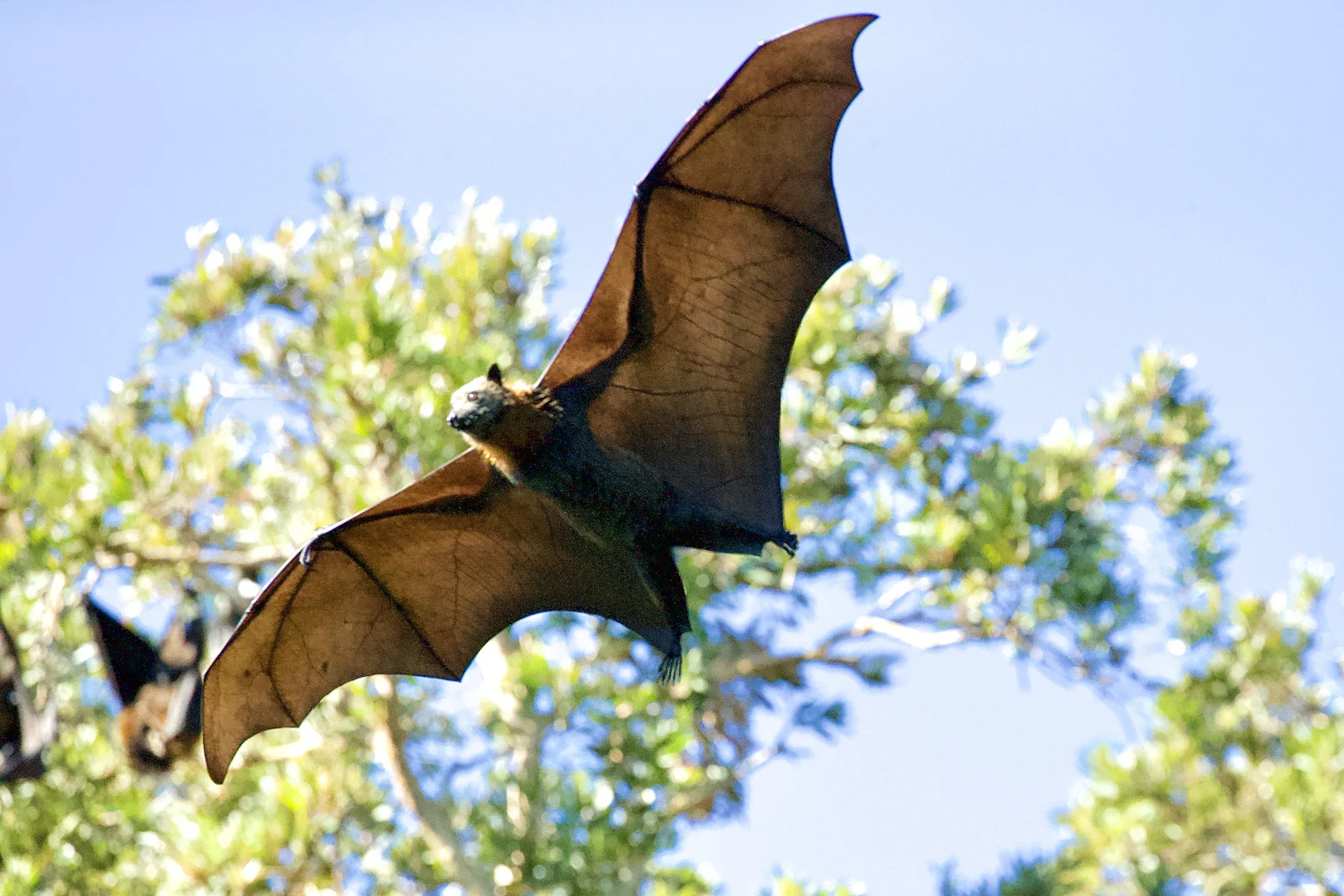
Preserving a Delicate Specimen
Bat taxidermy operates in a different realm than most game animal mounting. Bats are small, anatomically complex, and most species are protected under state and federal law. The challenge isn't just technical, it's legal and ethical. If you're considering bat preservation, you're entering territory where regulations, species protection, and proper sourcing matter more than in almost any other area of taxidermy. This isn't a casual hobby area. There are genuine consequences to getting it wrong.
Bat preservation is done by museums, research institutions, and specialized hobbyists who understand the legal constraints and the craft's technical demands. The skill ceiling is high, the legal framework is strict, and the ethical considerations are real. But done properly, bat preservation contributes to science and education in ways that other mounts don't. This guide covers what's actually possible, where specimens come from, how preservation works for these remarkable flying mammals, and what the legal requirements actually are.
Legal Framework and Species Protection
This is the first conversation you need to have. Most bat species in North America are protected, either under state law or the Endangered Species Act. Possession, collection, or mounting of protected bats requires permits. Working without proper permits is a federal offense carrying fines up to $25,000 and potential criminal charges.
Federal Protection Under the Endangered Species Act
Many bat species are listed as endangered or threatened under the Endangered Species Act. The Indiana bat, the gray bat, the Florida panther, and numerous others receive federal protection. Even bats that aren't formally listed often receive protection under state wildlife laws. The Mexican free-tailed bat, the little brown bat, the big brown bat, and many others are completely protected in most states. Some states list nearly all bat species as protected fauna, meaning collection, possession, or disturbance without a permit is illegal.
Federal protection is strict. The penalties are severe. There is no grandfather clause for inherited specimens. There is no "it was already dead" exception. If you possess a protected bat without documentation of legal acquisition and proper permits, it's illegal, period.
State-by-State Species Variation
Every state has different regulations for different species. Some states protect all bats; others have species-specific regulations. The little brown bat is protected in some states and regulated differently in others. Your state might allow collection of certain species under specific conditions while prohibiting others entirely. The complexity is real, and assumption is dangerous. Before you do anything, before you even think about approaching a bat specimen, verify the legal status of that specific species in your specific state with your state's wildlife agency. Not a website. Not a hunting guide. An actual conversation with your state's Fish and Wildlife department.
Acquisition and Permitting for Legal Specimens
Legal sources for bat specimens are limited and specific:
- Wildlife rehabilitation centers: Bats that die in care can sometimes be preserved with proper permits. The rehab center must have documentation of the bat's arrival, cause of death, and species identification. This documentation is essential for taxidermist.
- Museums and research institutions: They occasionally work with taxidermists on specimen preservation. These are institutional relationships, not casual hobby work.
- Scientific collectors with permits: Licensed researchers with appropriate permits can legally collect specimens. This is professional work with strict documentation requirements.
- Captive-bred bats from educational programs: In rare cases, captive-bred bats from zoos or educational facilities can be preserved, but even this requires permission from the institution and documentation.
Acquiring a bat without documented legal origin is illegal. Before you contact a taxidermist, verify that your specimen has legitimate provenance. Bring documentation proving legal acquisition to your first meeting with the taxidermist. If you don't have it, don't proceed.
Permits Required for Taxidermists
Working with protected bats requires permits from your state's wildlife agency and often from the U.S. Fish and Wildlife Service. Some states require specific taxidermist licensing for working with protected species. A responsible taxidermist will ask for documentation before beginning work. They'll explain the permitting process. They'll verify legal status. If they don't, that's a serious red flag. They either don't know the law or don't care, and both are disqualifying.
Bat Species Identification and Legal Status
Bat identification is tricky. Many species look similar to untrained eyes. A little brown bat and a big brown bat are easily confused. A Mexican free-tailed bat is distinct, but some myotis species are nearly impossible to distinguish without expertise. For legal purposes, you need accurate species identification. Museum staff, state wildlife biologists, or bat research centers can help with identification if you have a specimen. Do not guess. A wrong identification could mean you're working with a more protected species than you thought.
Common North American bat species include: little brown bat (protected in most states), big brown bat (regulated in most states), Mexican free-tailed bat (protected in most states), eastern pipistrelle, Indiana bat (federally endangered), gray bat (federally endangered), pallid bat, and numerous myotis species. Each has different legal status. Each requires different handling and permitting.
Bat Preservation Methods
Traditional Taxidermy Mount
A preserved bat in a lifelike pose on a small base or in a display case. The bat is positioned as if crawling, hanging, or in a natural resting posture, wings folded, hanging upside down, or in a crawling stance. This requires incredible attention to detail. Bat anatomy is delicate, and the wing membranes are among the most fragile structures in vertebrate anatomy. Damage during preparation is permanent and immediately obvious.
Cost Range: $200–$400 per specimen (for specialists willing to do individual bats).
Timeline: 2–4 months per bat. These are not quick projects.
Preservation Challenge: The wing membranes are paper-thin leather-like structures supported by elongated finger bones. Damage to these membranes is permanent. The preservation process requires extreme care in handling, curing, and mounting to avoid tearing or shrinking the membranes. The taxidermist must use specialized preservatives and control humidity and temperature precisely during drying.
Display Quality: Exceptional if done well. A properly mounted bat looks alive, wings detailed, facial features visible, body posture natural.
Wet Preservation (Museum Jars)
Less common for display but useful for research and education. The bat is preserved in a clear fluid, typically ethanol or formalin-based solution, that prevents decomposition while maintaining anatomical detail. This method is superior for long-term preservation of specimens intended for future research or reference. The specimen can be removed for examination, studied under magnification, and re-preserved indefinitely.
Cost Range: $100–$200 for preparation and housing in a museum jar.
Display Quality: Educational rather than attractive. The fluid can cloud over time if not maintained, and the specimen appears less lifelike than a taxidermied mount, but anatomical detail remains pristine.
Best For: Scientific institutions, educational collections, long-term research preservation. This is museum work, not hobby display.
Skeletal Preparation
The bat is carefully cleaned and preserved as a skeletal mount, showing the remarkable bone structure that makes flight possible. This reveals anatomy in a way living display can't. It's also the most durable form of preservation, bone lasts centuries with minimal care. The delicate vertebrae, the elongated finger bones, the unique ribcage structure, all become visible and educational.
Cost Range: $150–$300.
Educational Value: Extremely high. A bat skeleton displays the elongated finger bones, the delicate ribcage, the unique anatomical adaptations for flight in vivid detail. Students and researchers can learn from actual structure without the damage associated with dissection.
Durability: Exceptional. Bone outlasts fur and soft tissue preservation by centuries.
Ethical Sourcing Considerations
Bat preservation should never incentivize collection or harm. The ethics are non-negotiable. Ethical sourcing means specimens come from:
- Natural mortality in wildlife rehabilitation centers
- Museum or research institution specimens
- Captive-bred animals from educational programs
- Roadkill collection programs (in some regions, with proper permits)
If your bat came from any other source, wild collection without permits, poached specimens, specimens from unknown origin, don't proceed. Working with illegally sourced bats supports poaching and harms conservation efforts. More importantly, it's a federal crime. The penalties are severe, and the ethics are clear.
Technical Challenges of Bat Taxidermy
Wing Membrane Preservation
The wings are the most delicate element. Bat wings consist of extremely thin patagium, skin stretched between elongated finger bones, that can tear with minimal contact. The membranes can shrink as they cure, creating permanent wrinkles. They can mold if humidity is excessive. They can become brittle if dried too quickly. A skilled taxidermist treats the membranes with specialized preservatives, dries them in precise conditions (usually 50–55% humidity, 65–70°F), and handles them with extreme care throughout the process. Even with expertise, wing membranes are the limiting factor in bat mount quality.
Size and Detail Work
Most bats are 2–6 inches long. Some species are smaller. The eye is tiny, sometimes just 3–4mm diameter. The facial features are intricate, including details on the nose leaf (in some species) that are essential for identification. The overall detail work demands magnification and precision tools. The taxidermist must sculpt tiny facial details, position delicate ears (which are even more fragile than wings), and ensure the expression conveys life despite the minuscule scale. This is not beginner work. This is specialist work requiring steady hands and magnification setup.
Form Selection and Customization
Standard mammal forms don't work for bats. Bats require custom forms built from clay, wax, or foam to match their specific anatomy. The body posture, hanging, crawling, or resting, determines the entire form structure. Not all taxidermists have access to or experience making these specialized forms. A taxidermist working with bats either has custom forms available or has the skill to create them. If they don't, they're not equipped for bat work.
Tanning and Hide Preparation
Bat hide is extraordinarily delicate. Standard mammal preservation methods can damage it. The fur is fine and easily matted. The hide itself is paper-thin. Bat-specific preservation requires gentle handling, specialized pH levels in pickle solutions, and careful temperature control during tanning. A general taxidermist might not understand these nuances. A bat specialist will.
Finding a Bat Specialist
Few taxidermists work on bats. Most work through museums or research institutions. If you have a legally-sourced bat specimen and proper permits, your options include:
- Natural history museums: Often have conservators who work with bats. They're connected to university systems and research institutions.
- University natural science departments: May have contacts with specialists or in-house expertise.
- Bat conservation organizations: Groups like Bat Conservation International can recommend taxidermists experienced with their work.
- Specialized wildlife taxidermists: Those focused on small mammals or exotic species. Check portfolios for bat work specifically.
Don't expect a quick response or low cost. Bat preservation is specialized and rarely done commercially. Most bat work is institutional. You're entering professional territory, and you should expect professional pricing and professional timelines.
Display and Long-Term Storage
Museum-Quality Display
A bat mount should be displayed in a small glass case with controlled humidity and minimal light exposure. UV-filtering glass protects the delicate pigmentation in the wings (some bats have color in their membranes). The case should maintain 45–55% humidity and stay away from direct sunlight. Temperature should be stable at 65–72°F. Fluctuations cause the membranes to expand and contract, creating stress and eventual damage.
Long-Term Storage
If preserving for research purposes, a sealed jar in cool (55–65°F), dark storage is superior to display. Bats preserved this way can remain in research condition for decades. The specimen is protected from pest activity, environmental fluctuations, and light damage. This is how museums preserve specimens intended for future research.
Cost and Timeline Summary
| Method | Cost | Timeline | Best For | Longevity |
| Taxidermy Mount | $200–$400 | 2–4 months | Display, education | 50+ years with proper care |
| Wet Preservation | $100–$200 | 1–2 weeks | Research, long-term storage | 100+ years |
| Skeletal Mount | $150–$300 | 4–8 weeks | Anatomical education, display | 500+ years |
FAQ
Can I collect a bat I find dead? Not legally in most cases. Even collecting a dead bat without a permit can violate state and federal law. Contact your wildlife agency first. They may have procedures for dead bat collection, or they may direct you to a rehabilitation center.
Can I mount a bat from my attic? Only if you have a permit allowing collection from your property and the species is not protected. Most scenarios don't meet these criteria. Contact wildlife professionals instead of attempting preservation yourself. They can identify the species and advise you on legality.
How long does a bat mount last? With proper display and care, 50+ years. The delicate nature of bats means environmental control is critical. Temperature swings of more than 5°F and humidity swings of more than 10% cause faster deterioration than in larger mounts. Keep conditions stable.
Is bat taxidermy ethical? When done with legally-sourced specimens from natural mortality or authorized research, yes. It preserves biological specimens for education and research. Museums rely on properly preserved bats. When done with illegally-collected or poached bats, it's not ethical and it's illegal.
Why is bat preservation important? Bat specimens document species characteristics, geographic variation, size ranges, and provide research material for conservation efforts. Museums rely on preserved bats to study population health, disease patterns, and evolutionary adaptation. Properly preserved specimens contribute to science.
Know the law before you possess a specimen.
"Roadkill, donations, and found specimens" sounds like a free supply chain. In the United States, a chunk of it is federally illegal without a permit.
- Migratory Bird Treaty Act (MBTA): most native songbirds, raptors, and waterfowl (and their feathers, nests, and eggs) are federally protected. Possession without a permit is a crime, including a dead bird you found on the roadside.
- CITES and endangered species: big cats, sea turtles, many parrots, elephant ivory, and some bear species are restricted for international and often domestic movement. Your taxidermist needs specific permits to accept these.
- State wildlife regulations: vary dramatically. Some states require a salvage tag for roadkill; some require hunter-education; some ban possession of certain game outside hunting seasons. Check your state's Department of Natural Resources before collecting or delivering anything.
- Commercial practice: mounting or selling taxidermy work for compensation typically requires a state taxidermy license, and federal permits if you work with protected species.
When in doubt, ask a local taxidermist or your state wildlife agency before the specimen is in your freezer.
Related Resources
Bat preservation is specialized, regulated, and best approached through institutions or with expert guidance. If you have a bat specimen, contact your wildlife agency and a museum before seeking a commercial taxidermist. This ensures legal compliance and that the specimen is preserved with appropriate expertise. The legal and ethical framework is strict because it has to be. Respect it.